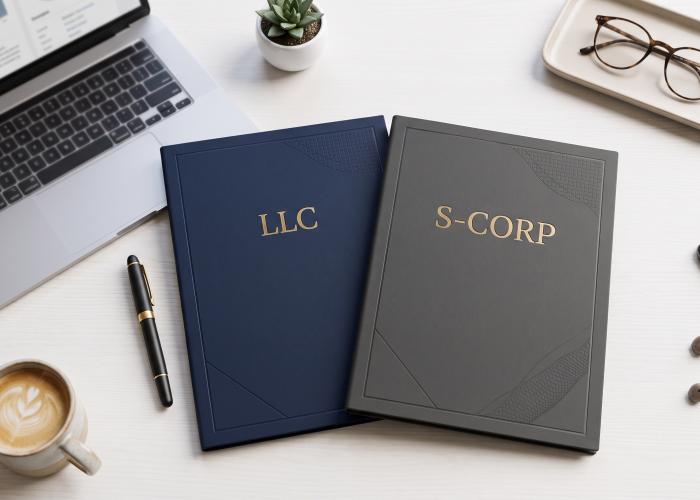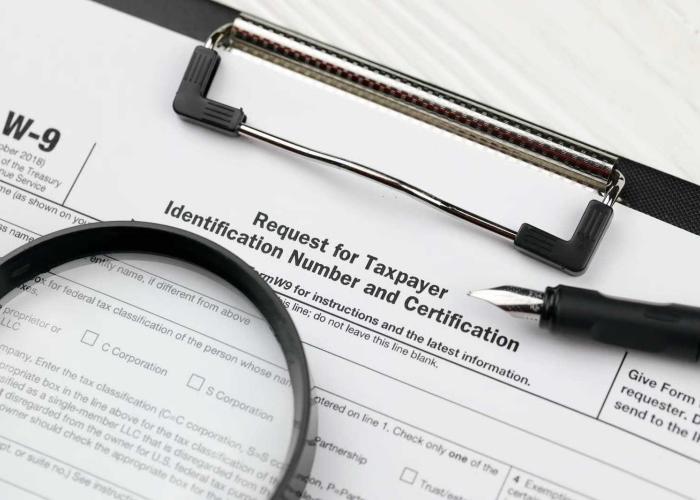
New York business owners are constantly balancing complex tax requirements that impact both their companies and their personal lives. The structure of your business is the single most important factor, determining exactly how you report income, claim deductions, and handle liability on every return. At Heritage Accountants & Advisors, we don't just process paperwork; we help Long Island business owners master these intricate connections through expert business tax planning in Hauppauge, NY. We develop clear, strategic plans to minimize your total tax burden.
We understand that different structures, from pass-throughs to corporate scenarios, create unique personal tax implications. Our tax preparation services in Long Island cut through that confusion, providing tailored solutions based on a careful, human analysis of your unique business and financial arrangement.

Sole proprietorships report business income directly on Schedule C of Form 1040. Business profits become personal income subject to both income tax and self-employment tax. Single-member LLCs receive similar treatment unless they elect corporate taxation.
Your personal tax return includes all business income and expenses. Business losses can offset other personal income sources. Self-employment tax applies to net business earnings over $400 annually.
Partnerships file Form 1065 but don't pay federal income tax. Partners receive Schedule K-1 forms showing their share of partnership income, deductions, and credits. Multi-member LLCs follow partnership taxation rules unless they elect corporate status.
Partnership income flows through to partners' personal returns. Partners pay self-employment tax on their distributive share. Special rules apply to limited partners and passive investors.
S corporations file Form 1120-S and issue K-1 forms to shareholders. Shareholders report their proportionate share of corporate income on personal tax returns. Business losses can offset other personal income within certain limits.
S corporation owners who work in the business must receive reasonable compensation. Payroll taxes apply only to wages, not distributions. Additional income passes through without self-employment tax.
C corporations file Form 1120 and pay corporate income tax on profits. Shareholders pay personal income tax on dividends, creating potential double taxation. Corporate losses don't flow through to shareholders' individual returns.
Business owners may face higher overall tax rates with C corporation structures. Strategic planning can minimize double taxation through salary optimization and timing of distributions.
Business owners using part of their home for work can claim home office deductions. The simplified method allows $5 per square foot up to 300 square feet maximum. The actual expense method requires detailed record-keeping of home expenses.
Home office deductions reduce both business income and self-employment tax obligations. These deductions appear on Schedule C for sole proprietors. Corporate employees cannot claim home office deductions unless they itemize and meet strict requirements.
Business vehicle use creates deductible expenses under specific conditions. The standard mileage rate for 2025 is 70 cents per mile for business use. Alternatively, actual expense methods track real costs, including fuel, maintenance, and depreciation.
Detailed mileage logs support business vehicle deductions. Mixed personal and business use requires allocation between deductible and non-deductible miles. Luxury vehicle limitations may apply to higher-value automobiles.
Equipment purchases create immediate or long-term tax benefits through Section 179 deductions or depreciation. Section 179 allows immediate expensing up to $1,220,000 for qualifying property in 2024. Bonus depreciation provides additional acceleration opportunities.
These deductions reduce business income and associated tax obligations. Pass-through entities transfer these benefits to the owner's personal returns. Proper documentation supports equipment expense claims during audits.
Business owners control the timing of certain income and expense items. Accelerating deductions into the current year while deferring income can reduce immediate tax liability. This strategy works particularly well for cash-basis taxpayers.
Year-end planning opportunities include equipment purchases, retirement contributions, and estimated payment adjustments. Our business tax planning in Hauppauge, NY, helps clients maximize these timing strategies while maintaining compliance.
Business structures affect retirement contribution limits and options. SEP-IRAs allow contributions up to 25% of compensation or $69,000 for 2024. Solo 401(k) plans provide higher contribution limits for eligible business owners.
Self-employed individuals calculate retirement contributions based on net self-employment earnings. Corporate employees may participate in company-sponsored plans while maintaining personal IRAs. Strategic retirement planning reduces both current and future tax obligations.
Business ownership creates estate tax considerations requiring planning. Proper valuation and transfer strategies can minimize estate tax liability for business owners. Succession planning affects both business operations and tax obligations.
Gift tax annual exclusions allow tax-free transfers of business interests. Generation-skipping strategies benefit multi-generational family businesses. Professional guidance helps navigate complex estate and gift tax regulations.
Poor documentation leads to missed deductions and audit problems. Business owners must maintain detailed records supporting all income and expense claims. Digital record-keeping systems improve accuracy and accessibility.
Receipt retention requirements vary by expense type and amount. Bank statement reconciliation catches errors and missing transactions. Quarterly reviews prevent year-end documentation scrambles.
Commingled funds create tax compliance issues and potential penalties. Separate business bank accounts and credit cards maintain clear expense classifications. Personal use of business assets requires proper reporting and potential income recognition.
Business entity formalities protect tax election validity. Inadequate separation can trigger IRS reclassification of business structures. Professional guidance helps maintain proper business and personal boundaries.
Business income often requires quarterly estimated tax payments. Underpayment penalties apply when annual tax liability exceeds withholding and estimated payments. Safe harbor rules provide penalty protection under specific conditions.
Self-employed individuals must calculate and pay estimated taxes covering both income and self-employment obligations. Corporate shareholders may need estimated payments for pass-through income. Proper planning prevents costly underpayment penalties.
Heritage Accountants & Advisors is a boutique accounting firm offering tax, accounting & advisory services to closely held businesses and their stakeholders. Our firm has four decades of experience providing professional and personalized services to clients of various backgrounds across various industries.
In New York, your business structure and personal finances are inseparable, and that's where most money is lost. We provide top-tier individual and corporate tax services in NY, dedicated to mastering this critical relationship. Our goal is simple: to analyze your financial landscape and build strategies that work to minimize your total tax burden.
With our tax preparation services in Long Island, you get more than just accurate filing; you get a complete, strategic review that finds forgotten credits and maximizes deductions across every required form, securing your financial future.
Our commitment to client service is clearly reflected in feedback from clients like Mike McNeil. As Mike put it: Working with Heritage Accountants & Advisors has always been a pleasure. He also added that our service is truly exceptional: we know the numbers cold, we respond promptly, and our attention to detail is unwavering. That reliability is exactly what makes us the ideal accounting partner.
We provide year-round support beyond traditional tax season services. Our business tax planning in Hauppauge, NY, includes quarterly reviews, strategic planning sessions, and ongoing compliance monitoring.
Our CPA tax advisors in Long Island work directly with business owners to understand their goals and challenges. We develop customized strategies addressing both immediate tax obligations and long-term financial objectives.
Regular communication helps clients stay informed about tax law changes affecting their situations. Heritage Accountants & Advisors proactively identify planning opportunities and potential issues before they become problems.
According to the IRS 2024 Data Book, the agency closed 505,514 tax return audits in fiscal year 2024, resulting in over $29.0 billion in recommended additional tax. The Tax Policy Center reports that proper documentation and record-keeping remain critical factors in audit outcomes, as the IRS has three years after a return is filed to review, analyze, and resolve tax-related issues.
A report by the Tax Foundation found that Americans spent 7.9 billion hours on federal tax compliance in 2024, with business compliance being a major factor. This substantial time burden is a result of the growing complexity of the US tax code. Professional tax preparation reduces this burden while improving accuracy and maximizing available deductions.
Your LLC tax election determines whether income flows through to your personal return or stays at the entity level. Single-member LLCs default to Schedule C reporting. Multi-member LLCs file partnership returns with K-1 distributions. Corporate elections create separate tax entities with different personal tax implications.
Business losses from pass-through entities can offset personal income, subject to basis, at-risk, and passive activity limitations. Sole proprietorships and partnerships allow losses to be deducted against other income sources. C corporation losses cannot offset personal income for shareholders.
Business expense deductions require contemporaneous records showing the amount, time, place, and business purpose of each expense. Credit card statements, receipts, and mileage logs provide necessary documentation. Digital record-keeping systems help maintain organized, accessible documentation for potential audits.
Business tax obligations affect your personal financial situation in complex ways. Our tax preparation services in Long Island provide professional guidance to help you understand these connections and develop strategies that minimize your total tax burden.
Contact Heritage Accountants & Advisors today to schedule your consultation. Our experienced team will analyze your business structure and personal tax situation to identify opportunities for tax savings and compliance improvements.
Call us at (631) 543-7700 or email info@heritage.cpa to discuss your individual and corporate tax services in NY needs.